8 Steps To Creating a Conscious Pregnancy: Your Environment, Your Baby's First Home

8 Steps Creating a Conscious Pregnancy: Your Environment, Your Baby's First Home
Pregnancy is one of the most profound opportunities to align your living space with your deepest values around health and wellbeing.
At Conscious Spaces, we believe your home should be a sanctuary that actively supports life, not just avoids harming it.
This is especially true when you're growing a new human being, as every element of your environment - from the air you breathe to the electromagnetic fields surrounding you - can influence both your wellbeing and your baby's development.

Why Your Environment Matters During Pregnancy
Your baby's cells are dividing and differentiating at an extraordinary pace, making this one of the most vulnerable and influential periods of life.
Research shows that environmental factors, including electromagnetic fields (EMFs), indoor air quality, water purity and even light exposure, can affect everything from fetal growth to sleep quality, stress levels, and long-term health outcomes.
The good news? You have significant power to shape this environment.
By making conscious choices about your home, habits, and products, you can reduce exposure to hidden stressors and create a space that actively supports flourishing.

1. EMF Protection: Shielding Your Baby from Invisible Stressors
Electromagnetic fields (EMFs) are emitted by virtually all wireless and electronic devices, from smartphones and Wi-Fi routers to baby monitors and laptops.
During pregnancy, when rapid cell division is occurring, many health experts consider this a period of heightened sensitivity to EMF exposure.
What the Research Shows
-
A 2017 study of over 900 pregnant women found that those exposed to higher levels of electromagnetic radiation were almost three times more likely to miscarry than those with lower exposure.
-
Frequent maternal mobile phone use during pregnancy has been associated with increased behavioural problems (such as hyperactivity and attention disorders) in children by school age.
-
Electromagnetic exposure during the first trimester has been linked to "the risk of embryo growth ceasing" in research from the Chinese Institute for Environmental Health.
Five Simple Steps to Reduce EMF Exposure
1. Keep your distance
The strength of electromagnetic radiation reduces exponentially with distance. Rest laptops on desks rather than your lap, avoid keeping phones in pockets or against your bump, and use speaker mode or anti-radiation airtube headphones for calls.
2. Treat sleep as sacred
Create an EMF-free sleep sanctuary by keeping Wi-Fi routers out of the bedroom, turning off (or switching to airplane mode) all wireless devices at night, and avoiding screens before bed. Quality sleep is vital for both your health and your baby's development.
3. Ditch non-essential tech
Pregnancy is the perfect time to audit your gadgets. Do you really need a smartwatch counting your steps or a tablet within arm's reach at all times? Reducing superfluous devices gives your system a break from unnecessary radiation.
4. Use protective shielding
EMF protection clothing and accessories; such as belly bands, blanket with shielding fabric and specialised pyjamas (for when travelling), can create a barrier between your body and electromagnetic radiation waves. These products are designed to protect your bump during daily activities.
5. Be nursery-smart
When setting up your baby's room, opt for analog baby monitors instead of digital ones, keep electronics away from the crib.

2. Clean Air: Breathing Life into Your Pregnancy Space
Indoor air can be 2–5 times more polluted than outdoor air, containing everything from volatile organic compounds (VOCs) off-gassing from new furniture to dust, allergens, and particulate matter. For pregnant women, breathing clean air isn't just about comfort, it's about supporting healthy fetal development.
What the Research Shows
-
A 2026 study found that pregnant women who used HEPA air purifiers inside their homes gave birth to babies that weighed 85 grams more on average at term than women who did not use air cleaners during pregnancy.
-
Air purifiers decreased fine particulate matter in homes by 29%, demonstrating that reducing air pollution exposure during pregnancy can have measurable benefits for fetal growth.
How to Create a Clean Air Sanctuary
Ventilate generously
Open windows daily for at least 5–10 minutes to flush out stale air and pollutants. If you are renovating or painting the nursery, delegate these tasks to others and complete them at least three months before birth to allow time for off-gassing as well as using eco organic non toxic paint!
Invest in air purification
High-quality HEPA air purifiers can remove up to 99.97% of airborne particles, including dust, pollen, mould spores and fine particulate matter. Place purifiers in your bedroom and main living areas for maximum benefit.
Choose natural materials
Opt for solid wood furniture, natural fibre textiles (organic cotton, wool, linen), and low-VOC or natural paints. Quality second-hand furniture and clothing can sometimes be better choices, as most off-gassing has already occurred.
Clean without chemicals
Avoid aggressive cleaners, disinfectants and all aerosol sprays. Simple alternatives like vinegar, lemon juice, baking soda, and mild non toxic all-purpose cleaners are effective and pregnancy-safe. Regular dusting and vacuuming (ideally with a HEPA-filter vacuum) removes pollutants that bind to household dust.

3. Pure Water: Hydrating with Confidence
Your body is approximately 60% water, and during pregnancy, hydration becomes even more critical for supporting increased blood volume, amniotic fluid, and nutrient transport to your baby.
But tap water can contain hidden contaminants - chlorine, chemical stabilisers, microplastics, pesticide traces and even prescription drug residues.
What Conscious Spaces Recommends
Our curated water filtration systems harness advanced technology to remove 99.99% of contaminants and impurities from tap water, ensuring every sip is safe and health-enhancing.
Clean water supports detoxification, digestion, skin health and overall vitality during pregnancy.
Practical Tips
-
Filter your drinking and cooking water with a high-quality system (reverse osmosis, activated carbon, or multi-stage filtration).
-
Avoid plastic water bottles, which can leach endocrine-disrupting chemicals like BPA and phthalates.
-
Stay well-hydrated throughout the day and aim for at least 2–3 litres of filtered water daily, more if you are active or in warm weather.

4. Light & Sleep: Honouring Your Circadian Rhythm
Sleep disturbances affect up to 62% of pregnant women, particularly in the third trimester. Poor sleep is associated with elevated stress, gestational diabetes, preeclampsia, prolonged labour, and preterm birth.
One often-overlooked factor? Evening exposure to blue light from screens and LED lighting. Read our article "The hidden dangers of LEDs – and the healthiest type of home lighting".
What the Research Shows
-
Blue light (the short-wavelength light emitted by phones, tablets, computers, and LED bulbs) suppresses melatonin production, delays circadian rhythms, and inhibits sleep. Consider blue-light free lighting.
-
A 2022 study found that evening light exposure was inversely associated with total sleep time and sleep efficiency in pregnant women.
-
Blue-blocking glasses worn in the evening resulted in earlier melatonin onset and higher melatonin levels at some evening time points, supporting the circadian system during pregnancy.
Creating a Sleep-Supportive Light Environment
Dim the lights after sunset
Switch to warm, low-blue lighting in the evening. Consider amber or red-toned bulbs for bedrooms and living areas.
Block blue light from screens
Use blue-light-blocking glasses, blue-light screen filters, or night-shift modes on devices at least 2–3 hours before bed.
Embrace darkness at night
Install blackout curtains, cover LED standby lights with tape, and keep your bedroom as dark as possible to support melatonin production and deep, restorative sleep.
Consider a non-blue night light
If you need light for nighttime bathroom trips, choose amber or red LED night lights that won't disrupt melatonin.
Designing a Life-Supporting Home: Creating Your Conscious Pregnancy Space
Pregnancy is a powerful invitation to align your outer environment with your inner values.
Every choice you make, from the water you drink to the air you breathe, the light you expose yourself to and the electromagnetic fields you navigate, shapes the world your baby is entering.

5. Building Biology: Designing a Life-Supporting Home
Building Biology is the comprehensive study of how man-made environments impact wellbeing.
It considers environmental factors such as indoor air quality, water purity, EMF exposure, allergens, toxic building materials, and even geopathic stress when assessing how our homes affect health.
Core Principles for Pregnancy
The built environment should support life. This means going beyond "toxin-free" to actively create spaces that uplift, restore and sustain.
-
Use natural, breathable materials (wood, stone, clay and natural fibres) that regulate humidity and support healthy indoor ecosystems.
-
Prioritise natural light during the day to boost mood, vitamin D and circadian alignment.
-
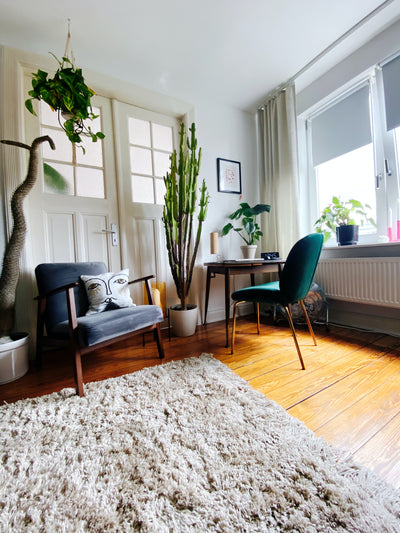
Create dedicated relaxation zones (corners with comfortable seating, soft lighting, plants, and natural calming scents) where you can rest and recharge.
-
Incorporate biophilic design elements (indoor plants, natural textures, views of nature) to reduce stress and improve wellbeing.

6. Mind Body Practices: Nurturing Your Inner Environment
Your emotional and mental state is part of your "environment" & your developing child's too.
Stress, anxiety and overwhelm during pregnancy can affect both your health and your baby's development.
Practices to Support Emotional Wellbeing
Mindfulness and meditation
Daily mindfulness practice reduces anxiety, improves sleep, and fosters a deeper connection with your baby. Even 5–10 minutes of focused breathing or guided meditation can make a difference.
Prenatal yoga
Gentle yoga increases strength and flexibility, reduces stress, improves sleep, and eases lower back pain. Many free online programmes are available if classes aren't accessible.
Journaling and gratitude
Keep a daily journal to process thoughts and emotions, and write down three things you're grateful for each day. This practice cultivates positivity and emotional resilience.
Set boundaries
It's okay to say no to extra work, social obligations, or situations that drain you. Protecting your energy is an act of self-care that benefits your baby too.

7. Additional Lifestyle Considerations
Nutrition & Toxins
-
Eat a balanced diet rich in fruits, vegetables, whole grains, lean proteins, and healthy fats.
-
Avoid large predatory fish (tuna, swordfish, halibut) that may be high in mercury; choose smaller, low-mercury fish like salmon in moderation.
-
Minimise canned foods, as can linings often contain BPA.
-
Choose organic produce where possible to reduce pesticide exposure.
-
Check cosmetics and personal care products for endocrine-disrupting chemicals.
-
Opt for certified natural or organic cosmetics free from parabens, silicones, and synthetic fragrances.
-
Avoid chemical hair dyes during pregnancy and breastfeeding.
Movement & Rest
-
Engage in regular, moderate exercise like walking, swimming, or prenatal yoga.
-
Listen to your body - rest when you need to and avoid over exertion.
-
Prioritise sleep and create a restful bedroom sanctuary with comfortable bedding, supportive pillows, and a calm atmosphere.
Social Support
-
Stay connected with supportive friends, family, and other expecting parents.
-
Consider joining prenatal classes for support and to share experiences.
-
Don't hesitate to seek help from a doula or pre natal support groups for practical and emotional support and to build community.

8. Preparing the Nursery: A Conscious Baby's First Room
Your baby's nursery should be a sanctuary of clean air, minimal EMFs, and non-toxic materials.
Checklist for a Conscious Nursery
-
Air: Use a HEPA air purifier and ventilate the room daily.
-
EMFs: Keep electronics away from the crib, use an analog baby monitor and EMF shielded blankets.
-
Lighting: Install dimmable, warm-toned lights and a non-blue night light ready for nighttime feeds.
-
Materials: Choose solid wood furniture, organic cotton bedding and natural fibre rugs.
-
Toxins: Avoid new furniture that off-gasses VOCs; if buying new, allow several months for off-gassing before baby arrives. Second-hand is often safer.
-
Cleaning: Use only pregnancy-safe, non-toxic cleaning products.

A Final Thought
You are not just growing a baby, you are growing a future.
And the space you create now becomes the foundation for a lifetime of health, vitality and conscious living.
Featured Collections


Featured Products


Tara Says
Trust your intuition, and remember: every small shift toward a cleaner, calmer, more supportive environment is a gift to both you and your child.
Welcome to the journey of conscious pregnancy.
We're honoured to walk it with you.
Tara Williams, Conscious Spaces Founder & CEO